1d 16h 07m

Year-end rates end Sun 7 Dec

Electronics & Electric

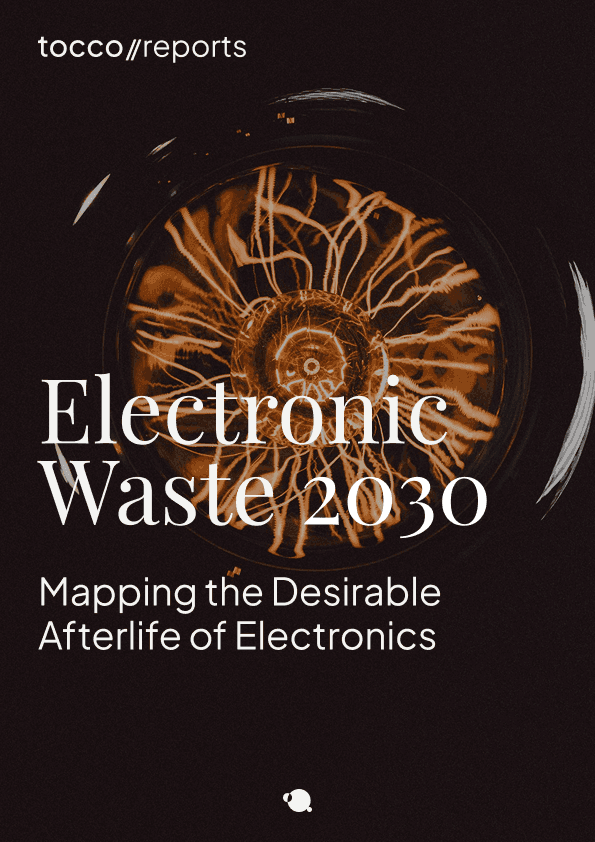
Tocco Report: Electronic Waste 2030

Mapping the Desirable Afterlife of Electronics

Electronic waste has become the dark twin of digital progress. For every smartphone sold, every server installed, and every upgrade demanded by modern life, there is a corresponding discard, heavier, more toxic, and harder to ignore. And the numbers don't lie: in 2022, the world generated 62 million tonnes of e-waste, yet barely 22% entered formal recycling channels. The rest was lost to informal handling, storage, or landfill.

Electronic waste is, therefore, quite a defining challenge of material intelligence. It is where circular promises face industrial limits. It is where innovation must prove itself at scale. And the stakes are high. By 2030, global e-waste will reach an estimated 82 million tonnes. Whether that future reads as a mounting liability or a reclaimed resource depends on choices now unfolding across boardrooms, policy circles, and design studios.This report by Tocco team maps those decisions, highlighting the signals that matter for manufacturers, investors, and policymakers.
Glues & Adhesives 2030 Edition Report Cover

Explore This Report

Start with the Free Version or unlock the Full Report with deeper insights, case studies, and extra content.

  1. Collection & Capture - How electronics enter the loop
  2. Recovery & Refining - From scrap to secondary raw materials
  3. Circular Electronics & Smart Materials - Designing out future waste
  4. Upcycling & Secondary Life - Reuse, remanufacturing & creative applications
  5. Glossary
Black rubber material

Materials in focus

Explore the innovative materials shaping the future
Biodegradable
Explore the evolving landscape of biodegradable materials with a focus on biodegradable plastics.

Biodegradable

Learn more
Recycled
Discover the benefits and challenges of recycled materials, as well as insights into how recycling transforms waste into valuable resources.

Recycled

Learn more
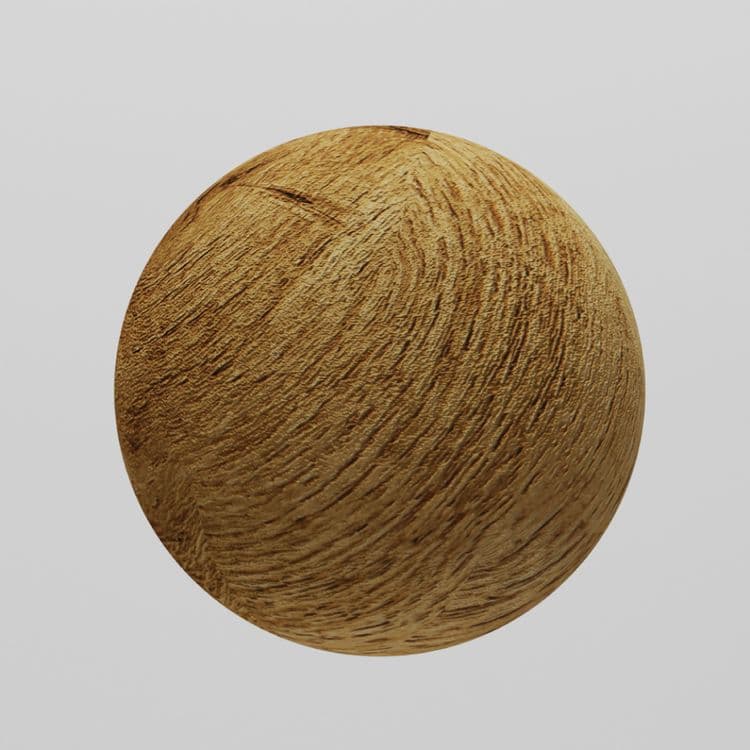
Bamboo
Introducing bamboo as an interesting alternative material. Learn about bamboo's incredible growth, and processing into textiles, paper, and construction materials.

Bamboo

Learn more
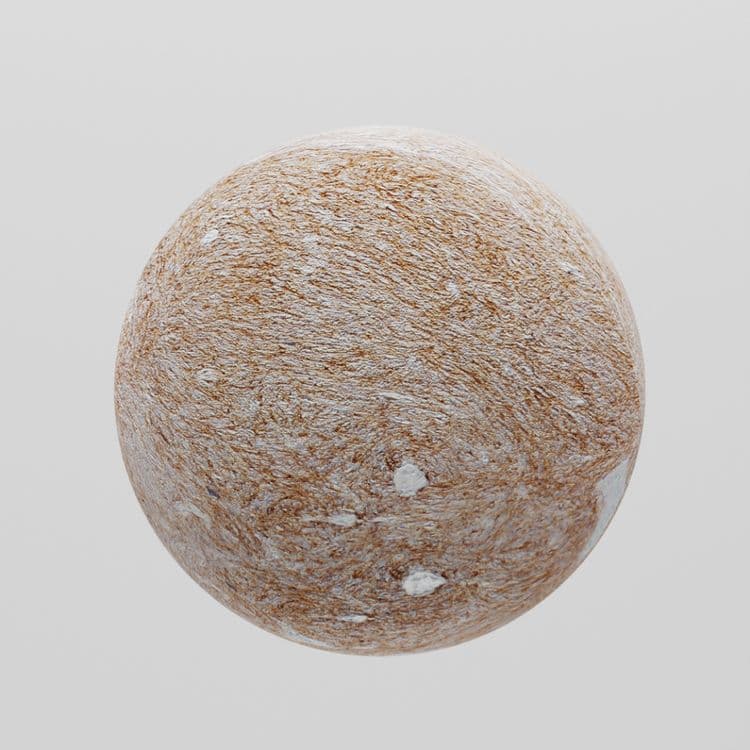
Mycelium
Get into the world of mycelium, and discover its applications and the potential it holds for revolutionizing packaging and product design.

Mycelium

Learn more
Silk
Discover the intricate world of silk, its rich history, production processes, and its ethical alternatives.

Silk

Learn more
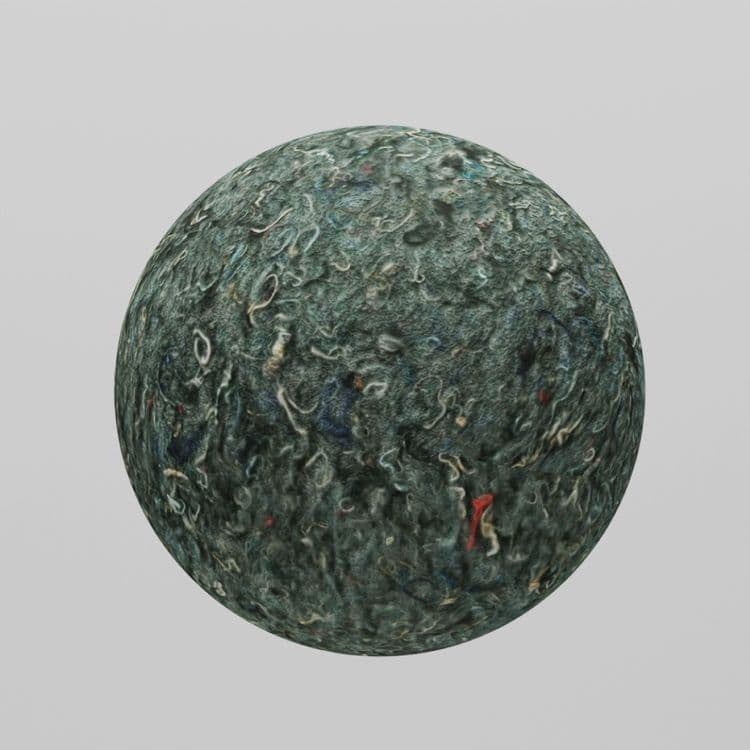
Upcycled
A deep dive into upcycled materials, examining their pros and cons

Upcycled

Learn more
Cotton
Learn about cotton, the world's most used natural fibers, its environmental aspects and its significance in the global textile industry

Cotton

Learn more
Linen
Dive into the rich history and versatile applications of linen, and understand why linen remains a timeless and eco-friendly choice in the world of natural fabrics.

Linen

Learn more
Latex
Explore the world of latex, where we compare the properties, uses, and environmental impacts of natural and synthetic latex.

Latex

Learn more
Bioplastic
Dive into the world of bioplastics and their role in sustainable development, and understand the benefits and challenges of bioplastics to replace petroleum-based plastics

Bioplastic

Learn more
Hemp
Discover hemp and learn about its production from plant to fabric and its wide-ranging applications in textiles, construction, and beyond.

Hemp

Learn more
Leather
Explore the world of leather and its alternatives. From plant-based options to synthetic varieties, learn about technological advancements shaping the future of leather.

Leather

Learn more
Jute
Discover the versatile world of jute, its origin, cultivation, and its role in the global textile industry.

Jute

Learn more
Banana Fibre
Discover the unique and sustainable world of banana fibre, and learn about the process of extracting fibre from banana plants.

Banana Fibre

Learn more
Wool
Explore the world of wool and the latest innovations in wool alternatives, especially plant-based, cruelty-free options.

Wool

Learn more
Fur
Explore the history, environmental impact, and ethical considerations of fur in fashion - and discover alternatives like faux fur, wool fur, and lab-grown options.

Fur

Learn more
Sisal
A deep dive into sisal, its origins, cultivation, and environmental benefits.

Sisal

Learn more

What's inside?

Hiro Robotics, an Italian company, develops AI-powered robotic systems that automate e-waste disassembly. Its modular units—TEIA for TVs and monitors, MAIA for unscrewing, NISA for PCB sorting, and EOS for solar panels—boost efficiency to 60–90 screens per hour, enhance component recovery, and support WEEE compliance. Partnering with utilities like Iren Group and A2A and backed by Levante Capital, Hiro is scaling its solutions across European recycling networks.
something

Hiro Robotics, an Italian company, develops AI-powered robotic systems that automate e-waste disassembly. Its modular units—TEIA for TVs and monitors, MAIA for unscrewing, NISA for PCB sorting, and EOS for solar panels—boost efficiency to 60–90 screens per hour, enhance component recovery, and support WEEE compliance. Partnering with utilities like Iren Group and A2A and backed by Levante Capital, Hiro is scaling its solutions across European recycling networks.

Other Available Reports

Expand your knowledge with our curated collection of industry-leading insights

Latest Design Stories

Weekly highlights from our community of innovators and pioneers

Tocco Report: Electronic Waste 2030 | Tocco.Earth